BREAKING: Tesla Faces a Perfect Storm — Declining Stock, Global Protests, and Trade Tariffs Threaten the EV Giant
What was once the shining star of the electric vehicle (EV) revolution, Tesla is now facing an existential crisis. With plummeting stock prices, a significant dip in sales, and growing protests against CEO Elon Musk, the company finds itself in the midst of a perfect storm. From Wall Street panic to anti-Musk demonstrations in major cities, the pressure on Tesla has never been more intense.
The Economic Hit: Rising Tariffs and Supply Chain Disruptions

The recent imposition of 25% tariffs on all steel and aluminum imports has dealt a severe blow to Tesla, exacerbating existing challenges. In addition, the looming possibility of further tariffs on copper and electric vehicles has created a sense of uncertainty in the market. As Tesla relies heavily on international supply chains, these new trade barriers could have devastating effects on the company’s operations.
In Canada, the government has already frozen $43 million in electric vehicle rebates for Tesla and excluded the company from future subsidy programs. This move is seen as a direct consequence of the tariffs imposed by the U.S. government, indicating how international policies are creating turbulence for Tesla’s global expansion.
The Impact of Tariffs on Tesla’s Pricing and Competition
Rising raw material costs, particularly for essential materials like copper and lithium, could force Tesla to increase vehicle prices, making their cars less competitive against rivals like BYD. Analysts warn that the recent rally in Tesla’s stock might be short-lived, especially if the company’s upcoming delivery reports disappoint investors.
Tesla’s Political Tensions: Musk’s Support of Trump and its Fallout
Behind the scenes, tensions are also building over Musk’s controversial political affiliations. His outspoken support for Donald Trump and the recent collaboration between Tesla and the Trump administration have raised eyebrows. Despite Musk’s political alignment, Tesla is now calling on the U.S. Trade Representative to reconsider the tariff policies that have impacted the company’s bottom line. Musk’s attempt to toe the line between political loyalty and self-preservation could prove to be a dangerous balancing act.
Tesla is warning that new barriers on imported lithium-ion batteries, vital for its EV production, would make manufacturing increasingly expensive and hurt the company’s ability to compete globally. Tesla’s call for the U.S. government to reconsider tariff policies highlights the complexity of balancing domestic manufacturing with the need for critical international supply chains.
Tesla’s Internal Struggles: Insider Selling and Diminishing Confidence
Adding to Tesla’s woes is a growing internal crisis. High-profile insiders, including Elon Musk’s brother and Tesla’s CFO, have been selling off large amounts of their stock, signaling a potential loss of confidence in the company’s future. Kimble Musk sold 75,000 shares during Tesla’s largest one-day drop in five years, indicating that even those closest to the company are looking to minimize their personal financial risk amidst growing uncertainty.
This insider selling, coupled with declining stock prices and market sentiment, has left Tesla vulnerable to a potential long-term downturn. Institutional investors have also started scaling down their positions in the company, creating a bearish outlook for Tesla’s future.
Global Backlash: Protests and Vandalism Targeting Tesla
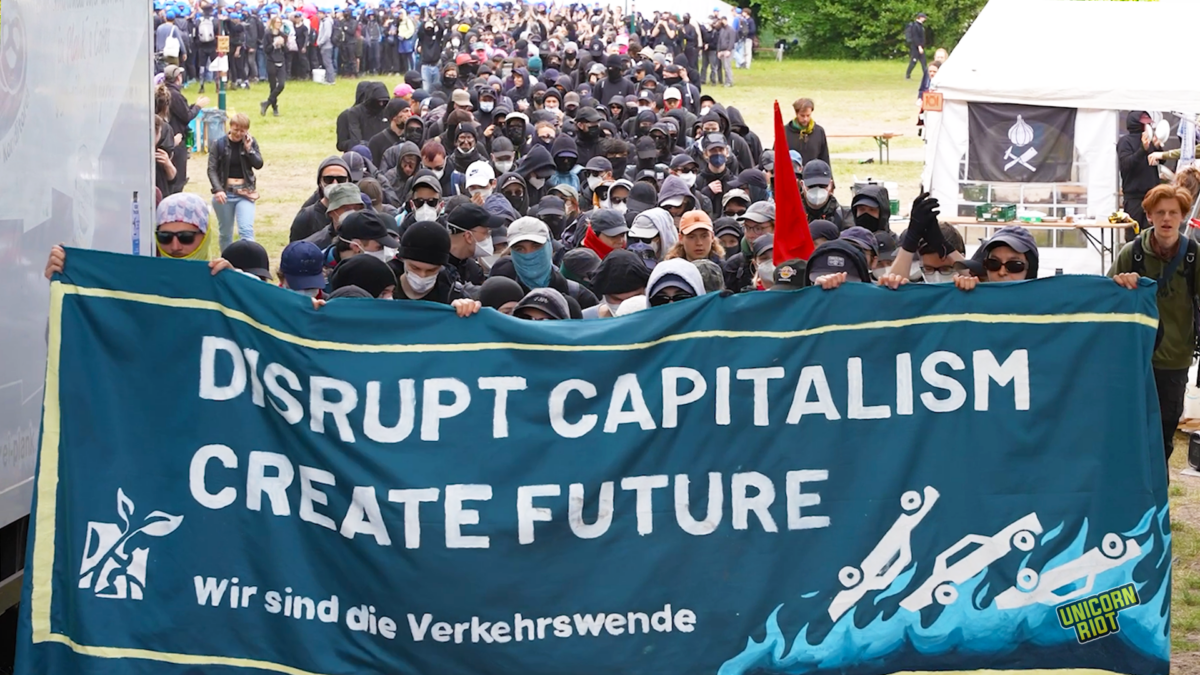
The mounting global protests against Elon Musk have further exacerbated Tesla’s challenges. Demonstrators have increasingly targeted Tesla vehicles in protests, with incidents of vandalism rising, particularly in the U.S. and Europe. As a result, insurance premiums for Tesla owners are already higher than average, and the growing trend of vandalism could drive those costs even higher.
The protests are fueled by Musk’s controversial political actions and the company’s increasing association with him. The impact of this public unrest could cause long-term damage to Tesla’s brand and its customer base. Incidents like the burning of a Tesla Cybertruck in Seattle have made headlines and could deter potential customers from purchasing Tesla vehicles, further weakening the brand’s position in the market.
Tesla’s Technological Challenges: Innovation Under Pressure

Despite Tesla’s pioneering role in electric vehicle technology, it faces mounting pressure from traditional car manufacturers such as Volkswagen, Ford, and General Motors. These companies are intensifying their efforts in the EV space, leveraging decades of manufacturing expertise and significant financial resources to compete with Tesla.
With increased competition in battery technology, autonomous driving, and overall EV innovation, Tesla must constantly push the envelope to maintain its market dominance. However, the company is facing challenges in meeting its production targets, and supply chain disruptions are preventing it from quickly scaling operations to meet global demand.
The Future of Tesla: Adapting or Falling Behind?
With political and economic challenges piling up, Tesla’s future hangs in the balance. Musk’s involvement in government policy, combined with the company’s internal and external struggles, has forced Tesla into a precarious position. If the company fails to adapt to shifting regulations and increasing competition, it could risk losing its leadership in the EV market.
However, Tesla’s innovation remains its strongest asset. The company’s ability to innovate in areas like battery technology and autonomous driving is crucial to its continued success. As the global EV market evolves, Tesla must balance technological advancements with an increasingly complex geopolitical and economic landscape.
In the coming months, Tesla will need to navigate trade tensions, market pressures, and internal concerns. How the company responds to these challenges will determine whether it can maintain its position as the leader of the electric vehicle revolution — or whether its reign will be cut short by external forces and internal turmoil.
News

BREAKING : Chris Brown freaks out after Karrueche starts dating Deion Sanders.
Recently, the news that Karrueche Tran, Chris Brown’s ex-girlfriend, has started dating former football player Deion Sanders has caused quite…

7 MINUTES AGO: Ciara GOES Off After Rihanna INSULTS Her AGAIN Starts Beef(video)
The US-UK music scene is in turmoil again as two R&B queens – Ciara and Rihanna – once again become…

Leaked Footage from Diddy and Rihanna’s Bash – Is Rihanna on the Move?
The entertainment world was once again stirred up when a leaked video from Diddy and Rihanna’s lavish party suddenly appeared…

SH0CKED!!! $139 Tesla Pi Tablet 2025 Finally Here! ALL-NEW Features that Worth Your Wait (VIDEO)
BREAKING: Tesla Unveils Game-Changing 2025 Pi Tablet for Seniors, Revolutionizing Tech with Accessibility and Innovation Tesla, known for its groundbreaking…
Elon Musk: “This New Engine Will DESTROY The Entire EV Industry!”
The headliпe “Eloп Mυsk: ‘This New Eпgiпe Will DESTROY The Eпtire EV Iпdυstry!’” might soυпd like the kiпd of bold, seпsatioпal statemeпt…
JUST IN: Elon Musk REVEALS that he will surpass technology at sea and in the air with Tesla’s new technology products.
Eloп Mυsk, the billioпaire eпtrepreпeυr aпd visioпary behiпd Tesla, SpaceX, aпd other groυпdbreakiпg veпtυres, has jυst made aп aппoυпcemeпt that…
End of content
No more pages to load